

- Home
- Investors Centre
- Sustainability
- Talent
- News
- Insights
- TH!NK
- Corporate Governance
- Who we are
- Board of Directors
- Community
- MCB Offices
Contact Info
One Continent, Two Realities: Why MCB’s energy strategy cannot be the same for Mauritius and Africa
- Energy transition in Africa cannot be addressed in isolation from the continent's underdevelopment, as environmental progress that ignores social realities is neither sustainable nor credible.
- In the energy transition, as in everything else, context matters, and Mauritius's transition roadmap cannot be transposed to mainland Africa.
- The latest episode of MCB Talk, Powering Mauritius, indicates that Mauritius's energy transition is underway.
In a global context where positive developments are increasingly scarce, it is important to acknowledge progress when it occurs. As the latest episode of MCB Talk makes clear, Mauritius’ energy transition is no longer theoretical. The country has set a clear direction, underpinned by an ambition to reach 60% renewable energy in its energy mix by 2035.
For investors—and for us, as Mauritius’ leading bank —this clarity matters. It sends a strong signal about where the country is heading and how capital should be mobilised.
What also emerges clearly from the discussion is a broad alignment between public institutions and the private sector. Policymakers, the Central Electricity Board, and independent power producers may still be debating pace and sequencing, but they agree on the objective.
Energy security and access to competitively priced, reliable, and increasingly clean energy are prerequisites for sustaining Mauritius’ economic growth and competitiveness.
This is the challenge the country faces today, one that, as I make clear on the podcast, MCB is committed to supporting in a pragmatic and responsible manner.
The 25-year power purchase agreement between the CEB and Qair is a concrete illustration – among others - of this approach. MCB’s financing of the Balaclava photovoltaic solar plant, together with its 42.5 MW battery energy storage system, further reflects our commitment to supporting projects that strengthen energy security while accelerating the transition to renewable energy. These are the types of investments that translate policy ambition into tangible outcomes for the country.
Our commitment to this agenda is non-negotiable. Mauritius is already experiencing the effects of climate change, and as a bank with deep roots and a long-term stake in this country, we have a responsibility that extends well beyond short-term considerations. Our stakeholders rightly expect MCB to stand with the country when it matters most.
That same sense of responsibility also applies to Africa, a continent where MCB has a growing presence and strategic focus. However, context is decisive. What is appropriate for Mauritius cannot simply be transposed to mainland Africa. I have been clear in expressing my discomfort with the way parts of the Global North prescribe a single transition pathway for the continent, often detached from Africa’s economic and social realities.
Africa contributes roughly 4% of global greenhouse gas emissions. Yet it is expected to achieve what no other region has done before: lift hundreds of millions of people out of poverty, provide electricity access to more than 600 million citizens, and industrialise—without relying on the very energy resources it houses and that fuelled the development of today’s advanced economies.
Africa comprises 54 countries at vastly different stages of development and electrification. Kenya, for example, has some of the fastest electrification rates in Sub-Saharan Africa, with around 90% of its power generated from renewable sources. At the same time, countries such as Burundi, Chad, South Sudan, Nigeria, and the Democratic Republic of Congo remain among those with the highest numbers of people living without access to electricity. Across Sub-Saharan Africa, the reality is stark: eight out of ten people still lack reliable power.
If we are serious about supporting Africa, then industrialisation must be part of the conversation. Without it, poverty reduction and improved living standards will remain out of reach. And industrialisation, at least in the near and medium term, cannot be achieved through renewable energy alone.
For Africa today, the solution lies in a balanced energy mix—one that includes fossil fuels, while recognising that not all fuels carry the same environmental cost. I’ll say it again - gas is preferable to oil, oil to coal, and coal to wood. The essential point is this: Africa’s transition must be just. It must reconcile development imperatives with environmental responsibility, rather than forcing a false choice between the two.
The environmental dimension of ESG is critical, but it cannot be addressed in isolation. Environmental progress that ignores social realities is neither sustainable nor credible. This is where MCB positions itself in Africa’s energy transition: financing accessible, affordable energy solutions that meet immediate development needs while supporting a longer-term shift towards renewable energy.
Banks exist to provide capital. But finance has little meaning if it does not improve lives. At its core, that is what sustainability means: enabling development that is inclusive, durable, and anchored in the realities of the people it is meant to serve.
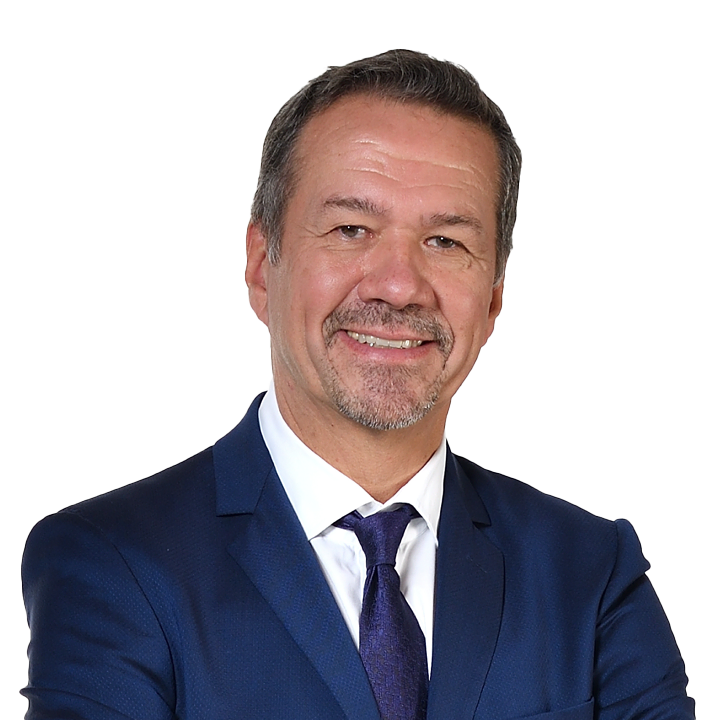
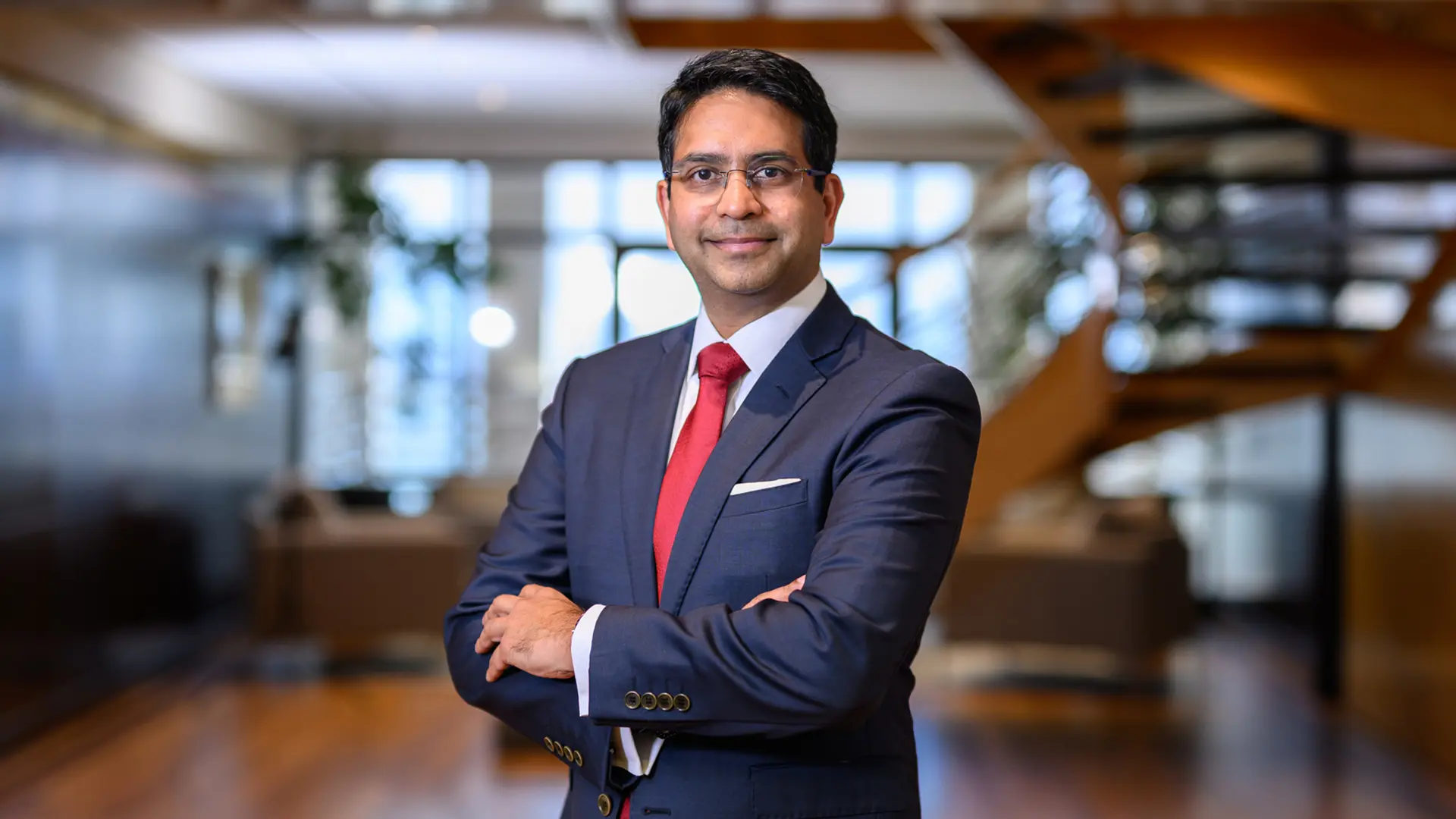
Thierry Hebraud
CEO, MCB Ltd

Recent Articles
TH!NK
.webp?sfvrsn=bdba599c_1)

Subscribe to our Email Alerts
Stay up-to-date with our latest releases delivered straight to your inbox.
Contact
Don't hesitate to contact us for additional info
Email alerts
Keep abreast of our financial updates.