

- Home
- Investors Centre
- Sustainability
- Talent
- News
- Insights
- TH!NK
- Corporate Governance
- Company Profile
- Board of Directors
- Community
- MCB Offices
Contact Info
Oil and gold buoyed as US–Iran tensions intensify and US strategic goals come into focus
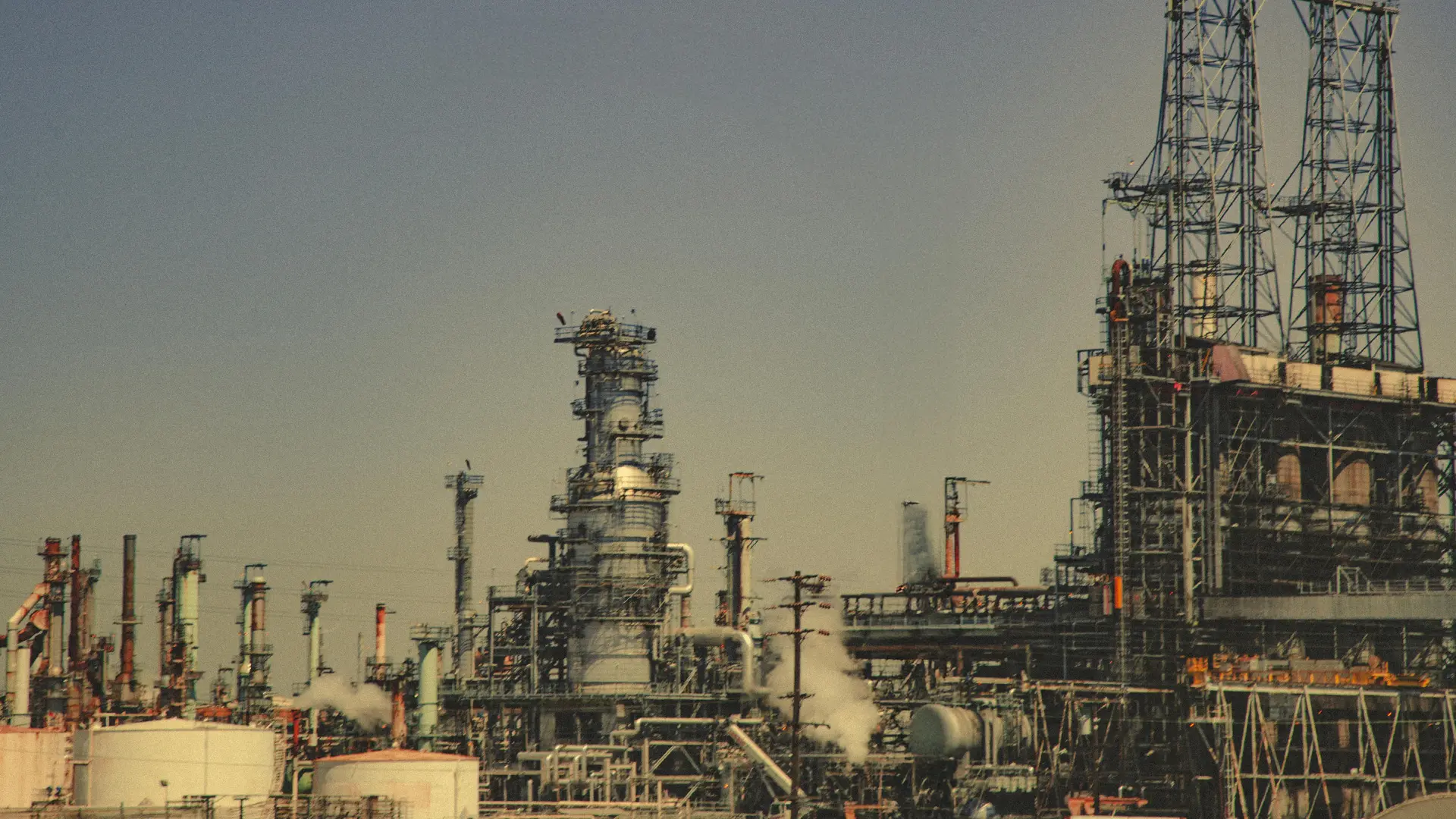
The US–Iran war broke out after unresolved diplomatic talks collapsed, culminating in the joint US–Israeli strike that killed Iran’s Supreme Leader Ayatollah Ali Khamenei — a dramatic escalation that has sent shockwaves through global markets.
Washington’s objectives regarding Iran are multifaceted. First, the US has stated that a key objective is regime change. Trump has called for Iranians to shape their own future. However, the lack of a credible internal opposition makes a smooth transition unlikely, creating the risk of a power vacuum and potential chaos, like situations seen in Libya. The U.S. aims to resolve the situation quickly, and Trump has suggested a four-week timeframe to ease the spike in oil prices and limit inflationary pressures. The goal appears to be neutralising Iran’s nuclear and missile capabilities.
Finally, the US’s heightened focus on Venezuela’s oil highlights how energy considerations may be shaping its approach to Iran. The US has used Venezuelan oil as a geopolitical tool to diminish Russia’s influence. For example, the US signalled consequences to India for continued Russian oil purchases while offering incentives tied to tariff reductions. In this context, Iran, another significant heavy crude exporter and ally of China and Russia, has emerged as a key focus of the US government.
The implications of these tensions extend to commodity markets. The Strait of Hormuz, through which about 20% of global oil flows, stands as a critical flashpoint. Markets are currently pricing a geopolitical premium, not a structural shortage. Brent has surged to around $80/bbl, with upside risks present due to infrastructural damage. The risk here is that a prolonged closure of the Strait of Hormuz could ultimately benefit major producers like Russia if buyers shift toward Russian crude in response to constrained Middle East flows. This would be counterproductive to the US goals, further supporting the view that the US doesn’t want a prolonged conflict. Hence, post conflict, ample supply and softening industrial demand would quickly revert any price increase.
Meanwhile, gold has surged to new record highs, supported by safe-haven demand amid escalating Middle East tensions. Renewed instability could push energy prices higher, likely reinforcing its attractiveness as a hedge against market volatility. The elevated gold-to-oil ratio suggests investors are positioning defensively, reflecting rising concerns over growth prospects rather than expectations of a sustained commodity upswing.
For more information, please contact MCB Global Markets Team on [email protected]
Published in collaboration with our Strategy, Research and Development team and our Financial Markets research partner, ETM Group.


Recent Articles



TH!NK





Subscribe to our Email Alerts
Stay up-to-date with our latest releases delivered straight to your inbox.
Contact
Don't hesitate to contact us for additional info
Email alerts
Keep abreast of our financial updates.