

- Home
- Investors Centre
- Sustainability
- Talent
- News
- Insights
- TH!NK
- Corporate Governance
- Who we are
- Board of Directors
- Community
- MCB Offices
Contact Info
Why the Africa-Gulf corridor matters for Africa's sustainable development
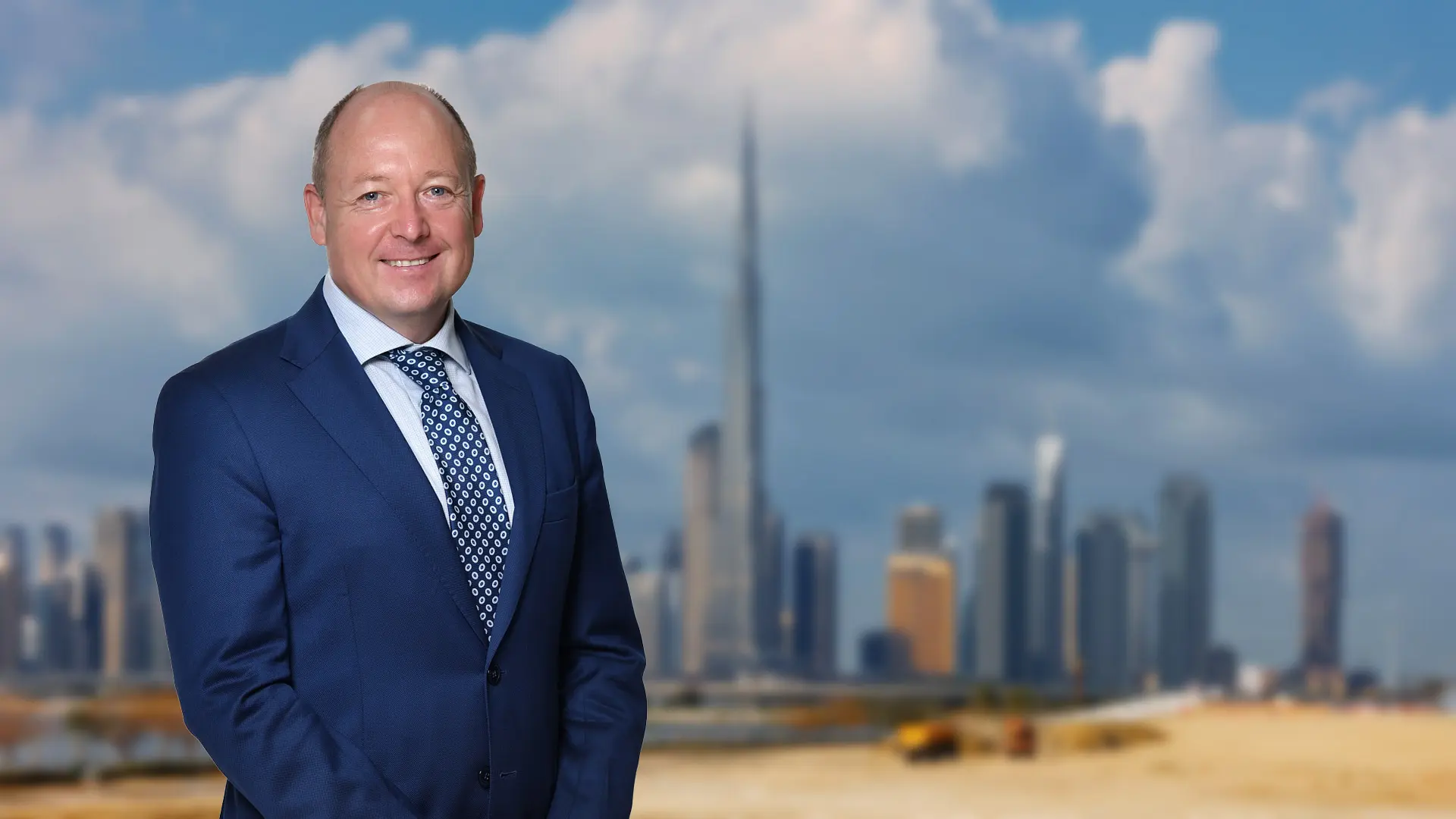
• Gulf capital is emerging as a key driver of Africa’s development, supporting critical sectors such as infrastructure, energy, logistics and food systems.
• As Africa’s financing needs grow, stronger economic ties between the Gulf and the continent are creating new opportunities to fund sustainable growth and regional integration.
• Through its presence in Africa and Dubai, MCB helps connect investors with bankable projects, turning strategic ambition into tangible economic impact.
Africa's development story is entering a new chapter. For decades, the continent's growth has been supported by development finance institutions, Western investors and, more recently, China. While these sources of funding remain important, changing geopolitical priorities, economic uncertainty and greater investment selectivity have created a shifting landscape for capital flows into Africa.
At the same time, a new investment corridor is gaining momentum. Capital from the Gulf Cooperation Council (GCC) is playing an increasingly important role in supporting Africa's long-term development ambitions, particularly in sectors that are critical to economic transformation such as infrastructure, energy, logistics and food systems.
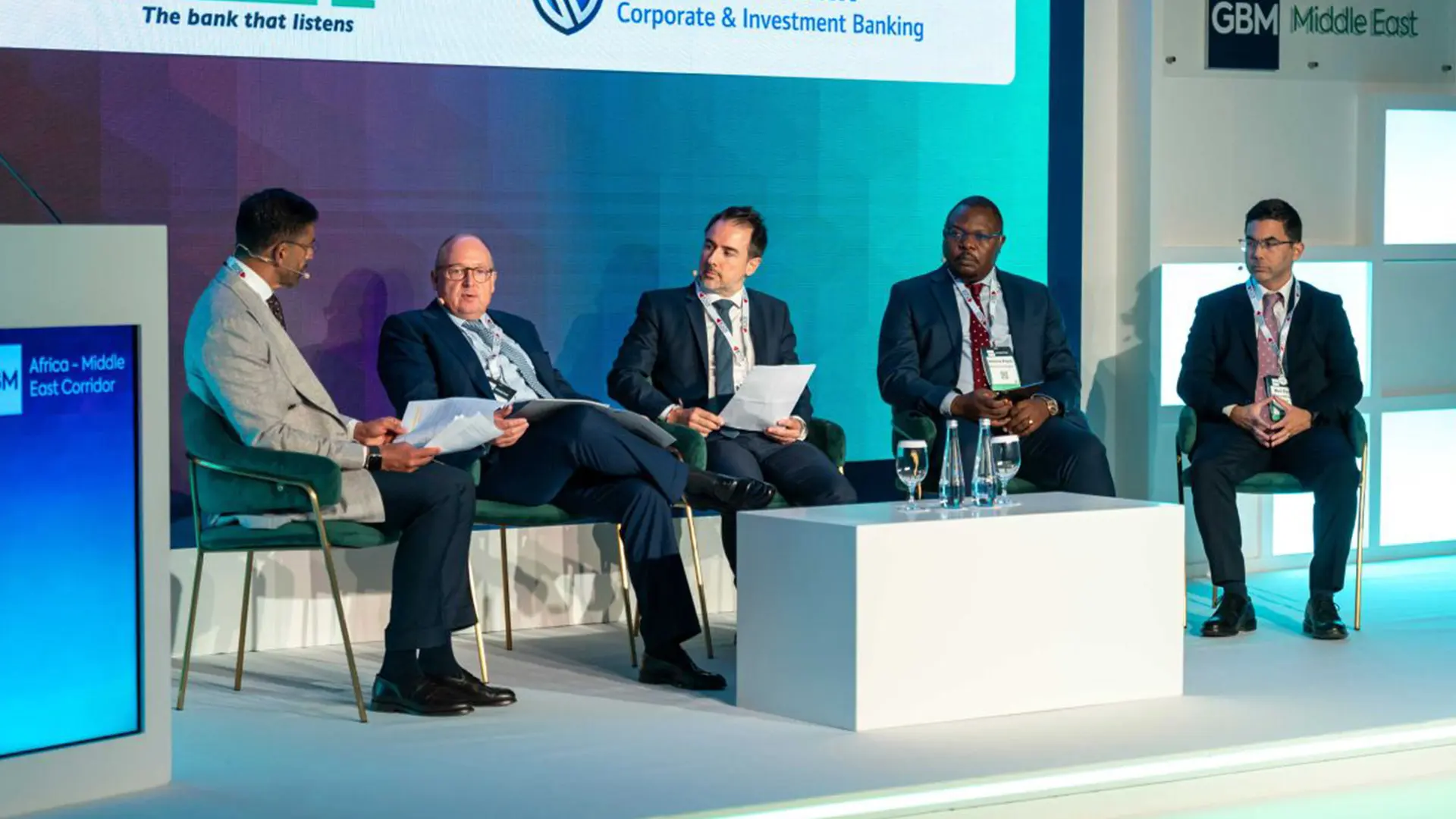
This evolving relationship was at the centre of discussions during the GBM Middle East–Africa Corridor Forum held in Dubai, where Sebastian Graewert, Senior Executive Officer at MCB Dubai, joined industry leaders to explore how Africa and the Middle East can work together to unlock sustainable growth opportunities.
The rationale behind this partnership is compelling. Africa remains one of the world's most attractive long-term growth stories. The continent holds vast agricultural potential, significant reserves of critical minerals needed for the energy transition and a rapidly growing population expected to reach 2.5 billion people by 2050. Meanwhile, the African Continental Free Trade Area (AfCFTA) is creating a market of more than 1.3 billion people and over US$3 trillion in economic output, helping to strengthen regional value chains and intra-African trade.
Yet unlocking this potential requires investment at scale.
Africa's infrastructure financing gap is estimated at between US$130 billion and US$170 billion annually. Power generation, transport networks, logistics corridors and digital infrastructure remain essential to supporting economic growth, job creation and sustainable development.
This is where the Middle East is becoming an increasingly important partner.
Driven by strategic priorities such as food security, energy transition and supply chain resilience, GCC investors are actively seeking opportunities that align with Africa's strengths. Over the past decade, more than US$100 billion has been deployed by Gulf investors across the continent, with investments spanning ports, renewable energy projects, logistics platforms and integrated agricultural value chains.
Importantly, these investments are no longer limited to individual transactions.
"This is not a substitution story but a realignment story," says Graewert. "Africa brings scale, resources and growth opportunities, while the Middle East brings capital, connectivity and strategic intent."
As investment flows deepen, the challenge is not the availability of capital but the ability to translate opportunity into bankable projects.
This is where MCB plays a critical role. Through its presence in Africa and its office in the Dubai International Financial Centre (DIFC), the bank helps bridge Middle Eastern capital and African opportunity. By combining local market knowledge, sector expertise and structuring capabilities, MCB supports investors and businesses in transforming strategic intent into executable transactions.
"Our role is to connect the right partners, structure bankable solutions and help manage the risks that come with cross-border investment," Graewert explains. "Ultimately, success depends on turning opportunity into projects that can be financed, executed and scaled."
Recent examples include financing provided to support Invictus Investment's expansion of value-added agro-food operations across Africa, a US$400 million syndicated facility for Karpowership's African operations, and support for Infinity Power's growth as a pan-African renewable energy platform. Together, these transactions illustrate the sectors attracting the strongest Gulf interest and their contribution to Africa's long-term development priorities: food systems, energy security and infrastructure.
The outlook is further strengthened by initiatives such as AfCFTA and the UAE's Comprehensive Economic Partnership Agreements (CEPAs) with countries including Mauritius, Kenya and Nigeria. Together, these frameworks are helping create larger, more integrated markets while strengthening trade and investment links between Africa and the Gulf.
For MCB, the Africa-Gulf corridor is about more than facilitating capital flows. It is about enabling the infrastructure, industries and regional value chains that will shape the continent's future.
As Africa continues its development journey, partnerships that combine capital, expertise and long-term commitment will be essential. The growing alignment between Africa and the Middle East is creating precisely that opportunity, helping lay the foundations for sustainable growth across the continent while translating strategic ambition into tangible economic impact.


Recent Articles
.webp?sfvrsn=91532dc8_1)
TH!NK
.webp?sfvrsn=60d1e308_1)
Subscribe to our Email Alerts
Stay up-to-date with our latest releases delivered straight to your inbox.
Contact
Don't hesitate to contact us for additional info
Email alerts
Keep abreast of our financial updates.